Skip to content

Posts tagged ‘wine’

Pairing Desserts and Wine- Part 3 How And Why!

This is the final installment of the dessert and wine pairing series, If I had tried to put all of this in one post it would be as long as a novel, so I decided to break this up into a series of 3 posts. The first was an explanation of desserts wines and the science involved in pairing taken from Julians blog, Vino in love. Post #2 is the actual desserts and the wine recommendations,  and the third will tell you why the wines were chosen for each dish.

Below is an explanation as to why these particular wines were chosen for each dessert. Cheers!

When desserts meet wine

Only recently, I wrote about pairing wine with desserts. I have teamed up with Suzanne from apuginthekitchen to present to you awesome dessert and wine pairings. If you want to know more about the desserts that Suzanne and I picked to pair with wine then read this post on apuginthekitchen.

In the final part of this mutual collaboration, I want to talk about why I decided to pair these wines with Suzanne’s desserts.

Stuffed pears en papillote

Suzanne’s Stuffed pears en papillote pair very well with a Passito di Pantelleria. For example we could pair this dessert with the Ben Rye from Donnafugata. Why? The answers is quite simple. The pears are steamed in brown sugar and stuffed with walnuts. Sweet desserts like this one call for a wine that has a good amount of sweetness itself. It should not be overly sweet though. Furthermore, the Ben Rye has a bouquet that includes candid oranges, which pair with pears en papillote very well.

Trabucchi d’Illasi’s Recioto di Soave is a great match for a fig and goat cheese tart. The flavor of the figs and the aromas of the Recioto di Soave (elderflower, chamomile, white chocolate, aromatic herbs, etc.) pair well together. This Recioto is also not that sweet. We also need a wine with an ABV between around 10% and 13.5%. A Passito di Pantelleria would be too intense and also too strong. That would cause the wine to dominate the dessert, which we want to avoid. The Recioto di Soave however, is a very elegant wine. It has an ABV of 12.5% which is perfect for this dish.

Ceretto Asti SpumanteThe buttermilk panna cotta called immediately for a Moscato d’Asti Spumante. Moscato d’Asti Spumante are sweet, fruity and usually have a very low ABV (often around 7%). These wines have a little bit of acidity as welll. And with pannacotta we want exactly that. The Moscato d’Asti Spumante from Cerotto has a good quality-price ratio and is the perfect match for Suzanne’s buttermilk panna cotta.

Pasticciotti filled with vanilla cream are a traditional dessert from Apulia, Italy. These delicious pastries also call for a sparkling wine and why not pair Apulian food with Apulian wine? Sometimes it is best to go with food and wine from the same region. Therefore, I decided to pair Suzanne’s Pasticciotti (you have to try them! They are so tasty!) with a Moscato di Trani Spumante. Pasticciotti are dry and pretty sweet. One of my favorite Moscato di Trani Spumante is produced by Azienda Agricola Franco di Filippo. Both of their Moscato di Trani Spumante will work excellent with Pasticciotti. These “Champagne-like” sparkling wines (“Champagne-like” because they are manufactured after the Classic-Method process) have a long-lasting perlage, an intense nose and a great palate. They tend to have less acidity then Moscato d’Asti Spumante. However, Moscato d’Asti Spumante are usually produced after with Martinotti-Method and not with the Classic-Method.

Recioto della Valpolicella - Trabucchi d'Illasi

Trabucchi d’Illasi does not only make a stunning Recioto di Soave but also an even better Recioto della Valpolicella. Recioto della Valpolicella is produced similar to Amarone. Grapes get sun-dried for around 40 days on straw-mats where they lose around 80% of their weight. This gives Trabucchi’s Recioto della Valpolicella a rich nose and an intense palate. The nose is incredible with a lots of different aromas. The finish is persistently long. I have baked Suzanne’s semolina olive oil myself and served it with Trabucchi’s Recioto della Valpolicella. A good match which I highly recommend.

Last but not least I paired the spicy chocolate panna cotta with aCognac. I am of the opinion that chocolate desserts like chocolate panna cotta or chocolate cake do not pair well with wine. A Portuguese Port wine would have worked as well but with these type of desserts your best bet are spirits like Brandy and Cognac – in fact Cognac is a type of Brandy from France. If matching chocolate desserts with alcohol then you have to go with strong spirits. Of course, we could also serve this delicious dessert with an espresso which would be the “Italian way”.

Photo Credits: Stuffed pears en papillote by Suzanne. All rights reserved
Ceretto Asti Spumante by Ceretto 
Recioto della Valpolicella – Trabucchi d’Illasi 
by Julian Rossello. All rights reserved.

This brings our dessert and wine pairing series to an end. I hope you have enjoyed it. Let me know what you think about these pairings. With what do you pair your favorite dessert usually with?
 

Chicken And Sausage Paella, A Guest Post-Wine Pairing

Paella

Paella

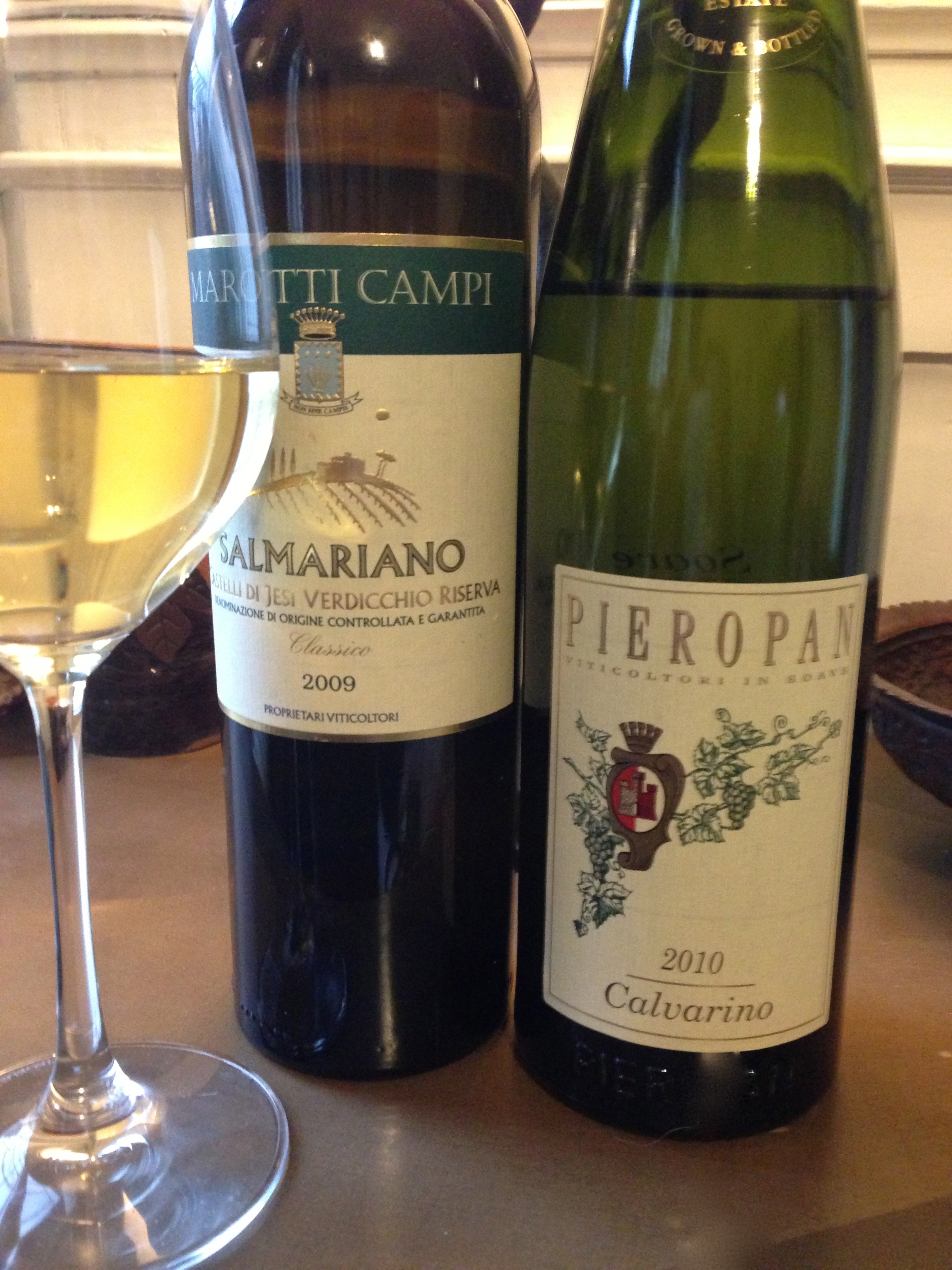
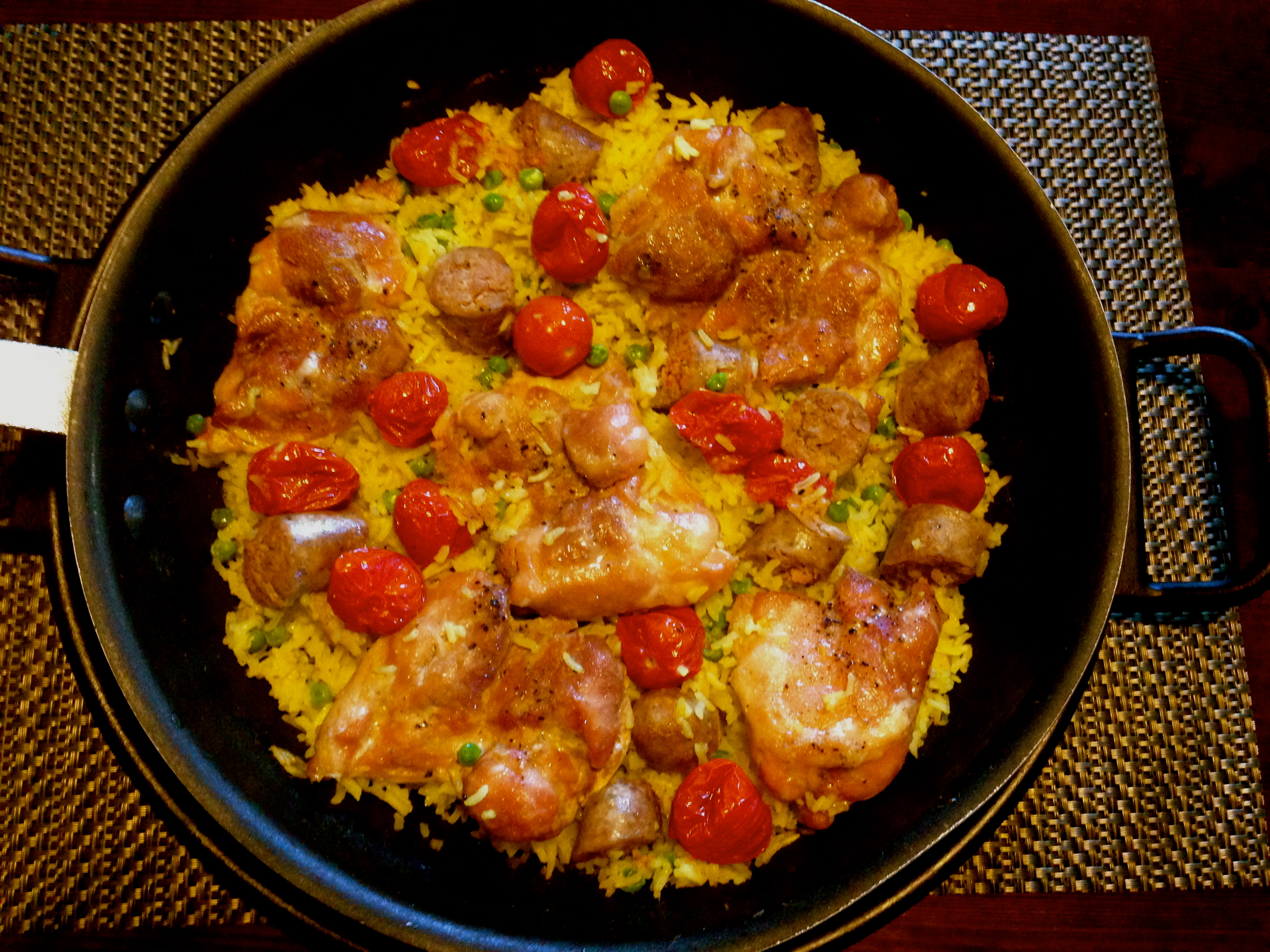
I am so excited about this post, not just because I have made paella, one of my favorite dishes but because I have collaborated with a wine expert who graciously paired wine specifically for this dish. I contacted Stefano a certified sommelier and asked him if he would lend his expertise, choosing wine that would compliment the paella. He accepted, and I am so pleased to bring you his choices. Stefano is a brilliant photographer and sommelier and his blog Clicks & Corks recently launched. He previously posted with his wife Francesca on her beautiful blog Flora’s Table. I love their posts, the food, wine and photographs are amazing. I enjoy wine, drinking and cooking with it but I am not an expert, I rely on my local wine merchant to help me pick wine based on what and how I cook and drink. I know what I like but ask me to tell you about it and I become verklempt. Clicks & Corks has a wealth of information regarding wine, there is a glossary full of interesting and helpful information. I sent Stefano what I was making along with the ingredients and based on that he was able to choose 2 wines specifically for this dish. My favorite wine purveyor, Brian who owns Gnarly Vines in Brooklyn did not carry the exact wine that Stefano recommended but went above and beyond for me and found both wines, I was thrilled. Here is a link to the ISA guidelines for wine pairing that was posted on Flora’s table, it’s fascinating. I chose to drink the Soave Classico “Calvarino” with the meal and loved it, this wine paired perfectly with the paella, it’s clean and light and very smooth, there is a minerality that is very distinct, I could tell the soil in which the grapes were grown is rich and produces exceptional grapes. The wine complimented the paella so well, the crisp clean white wine offset the richness of the dish. Stefano knows what he is doing when he chose this wine. I haven’t opened the other wine yet but have no doubt that it will also be amazing. This wine will pair perfectly with seafood also, in my non expert opinion.

This paella is pretty simple, I chose to use chicken thighs and sausage and no seafood, it’s easy to make and isn’t as finicky as paella that contains different types of seafood. I love to drizzle it with aioli, now aioli is traditionally made with raw garlic, oil and an acid. Because I am not a fan of raw garlic I roasted it, used both olive and vegetable oil and added saffron building on the flavors in the paella.

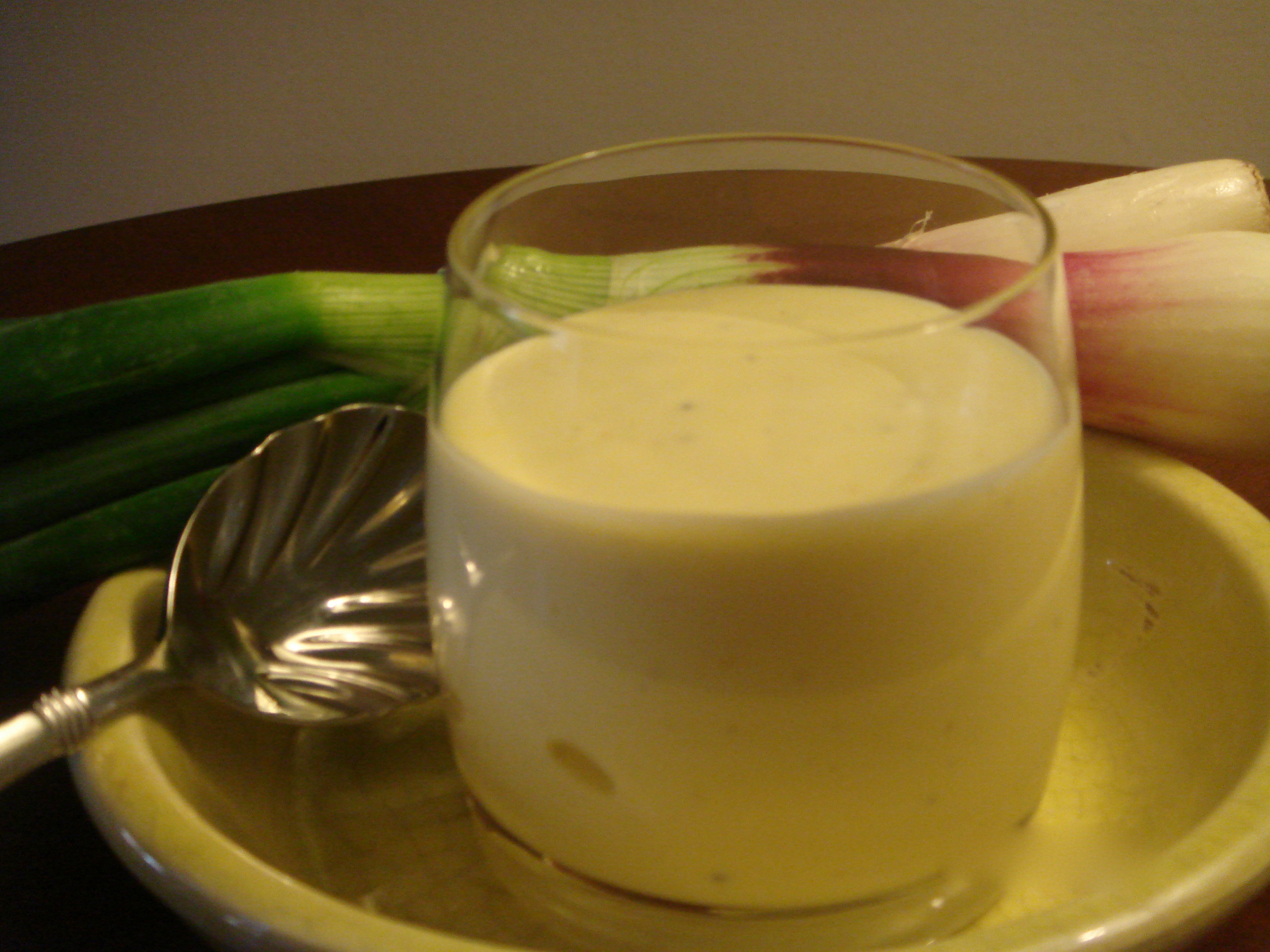
Roasted garlic, saffron,lemon aioli

Roasted garlic, saffron,lemon aioli

The Aioli:

  • 3-4 large cloves of garlic (3 if you want it subtle and 4 for stronger garlic flavor)
  • 1/2 teaspoon Sea Salt
  • 2 Egg yolks
  • 1/4 cup Freshly squeezed lemon juice
  • 1 teaspoon Lemon Zest
  • Freshly ground white or black pepper
  • 1/2 cup Vegetable Oil (Canola works well)minus 2 tbs
  • 1/4 cup + 2 tbs olive oil.
  • A generous pinch of saffron
  1. Preheat your oven to 350 degrees, while oven is heating peel 4 large cloves of garlic place on aluminum foil and drizzle with olive oil and make a packet. Place on sheet pan and bake for 15 minutes or until garlic is soft.
  2. Let garlic cool, while it’s cooling squeeze and zest the lemons. Add the generous pinch of saffron to the lemon juice and let sit for approx. 10-15 minutes the lemon juice will turn a lovely vibrant yellow.
  3. In your blender place the garlic cloves,egg yolks, lemon juice w/saffron, lemon zest, salt and pepper. Blend until garlic is completely incorporated it doesn’t take long as the garlic is soft.
  4. With blender running, slowly add the oil, the mixture will become thick. Adjust seasoning if you desire. Refrigerate while you make the Paella. This can be made in advance it keeps for 2-3 days in refrigerator.

Paella with saffron rice:

  • 3 cups long grain white rice
  • 6 cups chicken stock to cook the rice heated.
  • 1 small sweet onion chopped
  • 2 tablespoons Butter
  • 2 tablespoons Olive Oil + plus more for chicken and tomatoes
  • 6 chicken thighs (bone in and skin on)
  • 1/2 pound Italian sausage (sweet or hot)
  • 1 cup frozen peas
  • 1/14 cup chicken stock for paella
  • A generous pinch of saffron for the rice.
  • 12 cherry or grape tomatoes
  1. First make the saffron rice. Heat the olive oil and butter in large saucepan, add onion and cook until soft and translucent, add the rice and stir to coat. Add the saffron to the heated stock and add to the rice, let it come to a boil, reduce heat, cover pan and let cook for approx. 15 minutes. Remove cover and fluff the rice with a fork. Set the rice aside.
  2. Season the chicken thighs with salt and pepper and place in baking pan, drizzle with olive oil and bake in 450 degree oven for 20 30 minutes. Don’t discard the pan juices, pour some onto the rice when you are putting the paella together.
  3. Reduce oven temp to 375 degree’s, lay a piece of parchment on baking sheet and place tomatoes on parchment, drizzle with olive oil, salt and pepper and bake until tomatoes become soft and start to caramelize. It takes approximately 15- 20 minutes. Remove from oven and set aside.
  4. Heat a fry pan(use the large pan you will use for the paella) coated with a little olive oil and brown the sausages. Remove from the pan and set aside covered. Don’t drain the oil (it won’t be much) or pan juices you will use this same pan to cook the paella). Slice sausage just before assembling the paella.
  5.  If you have a paella pan thats wonderful but if you are like me and do not use a large (14″) fry pan with a lid. Using the same fry pan you used for the sausage, turn flame to medium/high. Add the saffron rice and peas mix to incorporate the peas with the rice, then start layering. Add the chicken thighs and sausage.  Pour the 1 1/4 cups of chicken stock over the paella, spoon some of the pan juices from the chicken on top cover and cook for 15 minutes, approximately 3 minutes before its done add the tomatoes, put the lid back on and cook for the remaining time.  Remove from heat. Garnish with chopped parsley and drizzle with the aioli.
Fantastico!!

Fantastico!!

Wine Pairing:

By Stefano Crosio-Clicks & Corks

In order to pair well with Suzanne’s delicious paella, the wines that we are going to pick need to have good acidity, a good extent of smoothness, quite intense nose-mouth flavors and decent structure, as in a medium to full bodied wine. The reason why these characteristics (and not others) are desirable to achieve a pleasant food-wine pairing is the result of application of the wine pairing criteria codified by the Italian Sommellier Association, which I will discuss in a future post on Flora’s Table.

Based on the above guidelines, I am going to recommend two wines that I have recently tasted at the Vinitaly/Slow Wine trade fair in New York: they both possess the desired characteristics to be good companions to Suzanne’s paella and they both have particularly impressed me when I tasted them. Clearly, these two wines are by no means the only ones that go well with Suzanne’s paella! However, on the one hand their descriptions, coupled with the general guidelines provided above, should point you in the right direction should you wish to consider different alternatives and, on the other hand, if you are going to give either or both of these wines a try, they might introduce some of you to two Italian wines that are maybe not so “mainstream” or widely known in the US market and that yet are excellent and showcase the treasure chest of indigenous grape varieties that constitute the backbone of centuries of Italy’s wine culture.

I will now leave you with my tasting notes for the two recommended wines, plus the certainty that you will enjoy Suzanne’s delicious paella dish and the hope you will get to drink some good wine with it!  🙂
 
Option 1: Soave Classico, from the Veneto region
 
Pieropan [http://www.pieropan.it/en/], Soave Classico “Calvarino” 2010 DOC: a very good Soave made of a blend of 70% Garganega and 30% Trebbiano di Soave grapes which literally hits you in the nose with an exhuberant minerality and aromas of apple, citrus and white flowers; in the mouth a lively acidity and distinct minerality are balanced by a good extent of smoothness – long finish. ABV: 12.5% VOL. If interested, here [http://www.pieropan.it/en/index.php?id=73] is the winery’s technical sheet for this wine. Retails in the US for about $28.
 
Grape varieties’ quick facts: Garganega is a grape variety that is indigenous to the Veneto region, where it has been cultivated since at least the XIII century. Wines made of Garganega grapes are generally acidic and spicy.For more information about the Trebbiano di Soave grape variety, please refer to the quick facts about Verdicchio in option 2 below.
Option 2: Verdicchio dei Castelli di Jesi, from the Marche region
Marotti Campi [http://www.marotticampi.it/index.php?var=], Verdicchio dei Castelli di Jesi Classico “Salmariano” Riserva 2009 DOC: a very good varietal wine made of 100% Verdicchio grapes, with a nice bouquet of white flowers, peach, citrus and minerals; good acidity and a long finish. ABV: 14% VOL. If interested, here [http://www.marotticampi.it/catalogo-vini.php?var=tab7] is the winery’s technical sheet for this wine. Retails in the US for about $20.
 
Grape variety’s quick facts: Verdicchio grapes are also known as Verdicchio Bianco, a grape variety which, although it has been cultivated in the Marche region since the XVI century, was said to originate from Veneto. It is interesting to notice that DNA profiling has confirmed this theory, indicating that Verdicchio as a grape variety is identical to Trebbiano di Soave, a grape variety that is widely planted in Veneto and that we have just come across describing the wine in option 1. Verdicchio wines tend to have marked acidity and good structure.
 

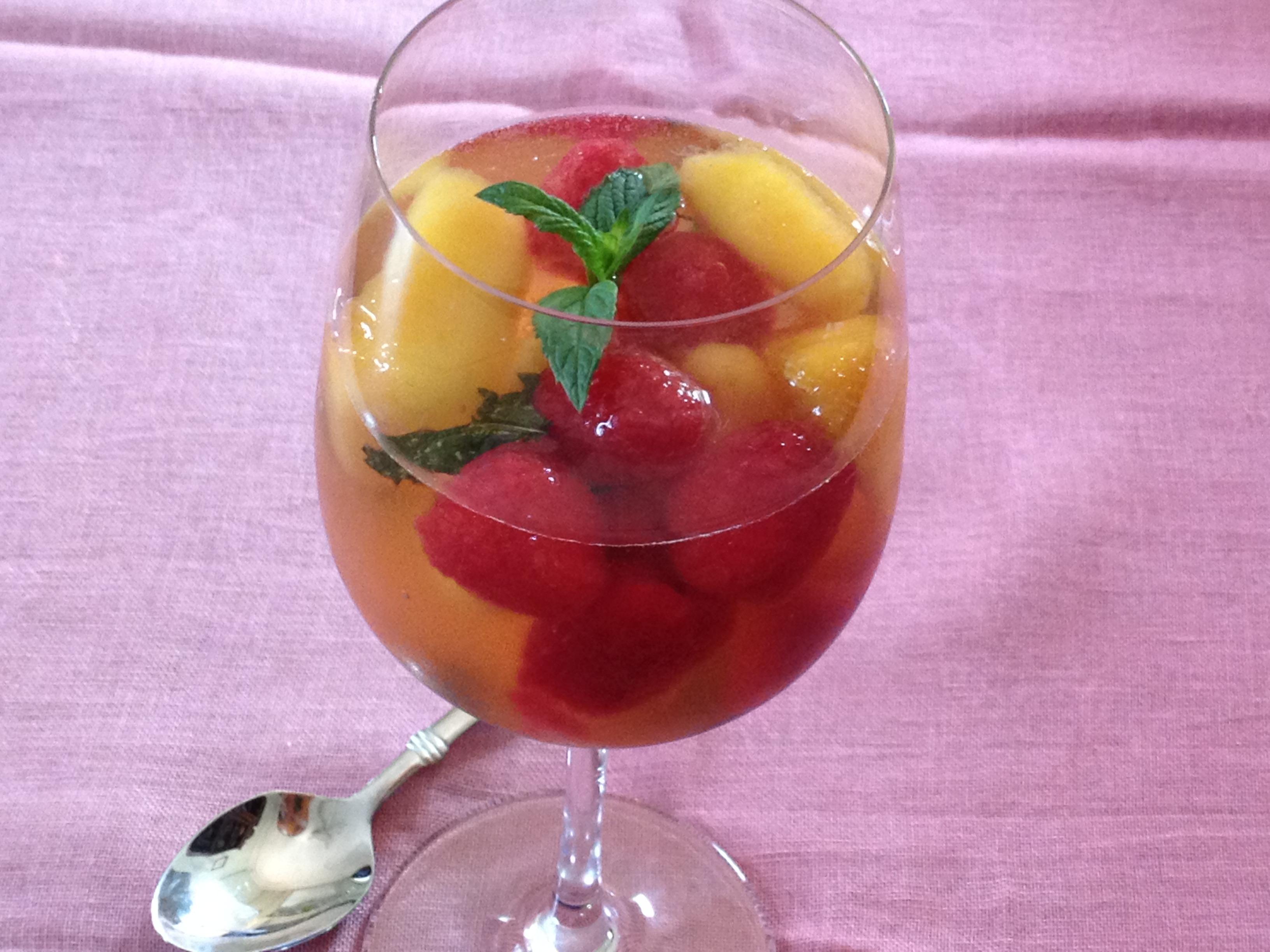
Minted Peaches And Raspberries In Rose’

I grew up in a large Italian family, my Grandfather made his own wine from grapes he grew himself and I remember his home vividly, rows and rows of grapes, fruit tree’s and berry bushes. One dessert I remember is so simple but very delicious, fresh tree ripened peaches, macerated in a little sugar with red wine poured over it. Although I was too young to imbibe, I was allowed a little taste and have made this many times as an adult. I took this simple and classic treat and switched it up a bit, muddling fresh mint with sugar and macerating peaches and raspberries, then instead of red wine I used rose’. It’s light, refreshing and delicious and the mint adds a lovely freshness that goes perfectly with the fruit and wine. This is not the type of recipe you have to follow exactly you be the judge of how much fruit and wine to use. Tailor to your taste. Note: I used frozen peaches and raspberries that I flash froze, if using frozen it may have to macerate a little longer so that the fruit thaws a bit. I entered this recipe in the food52 contest for your best recipe using mint.

Serves 2

2 ripe peaches peeled and sliced

1 cup raspberries

2-4 tbs sugar (start with 2 and increase depending on sweetness of fruit)

handful mint leaves torn

12 oz (approximately) rose or pink champagne

Add the sugar and mint to mortar and crush to release the oil from the mint leaves, it will infuse the sugar. Place the peaches and raspberries into a container and pour the sugar and mint over them, toss to combine. Place in refrigerator for 1 hour, tossing again after 30 minutes.

Spoon the fruit with the sweet minty juices into serving bowl or wine glass top with very cold rose, sip the wine and eat the fruit.